
Back to School and Financial Foundations: Building Financial Knowledge for Every Stage of Life
September is a month of fresh starts. New classes, new routines, new notebooks, and plenty of opportunities to learn something new. Families may use a combination of savings, current income, scholarships, grants, financial aid, or student loans to help cover these expenses. Understanding the full cost of attendance can make education planning conversations more complete.
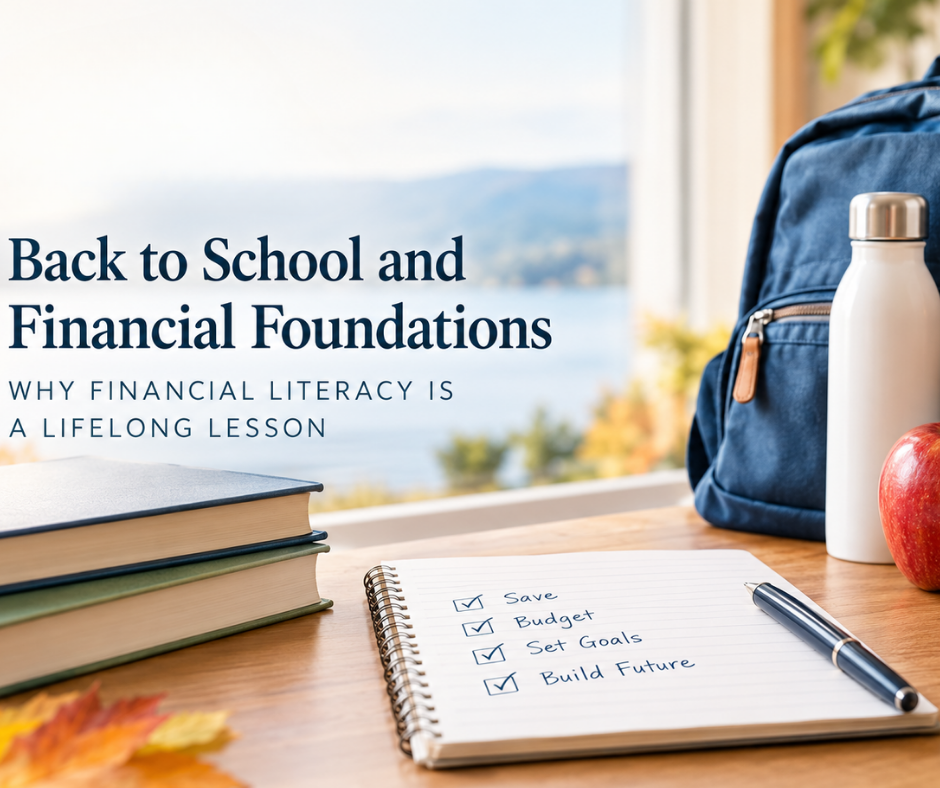
September is a month of fresh starts. New classes, new routines, new notebooks, and plenty of opportunities to learn something new.
But learning doesn’t have to stop at the classroom door.
Back-to-school season is also a great time to think about another kind of education: financial literacy.
Understanding money is a skill that develops over time. A child might start by learning how to save for something they want. A teenager may begin learning about budgeting and spending. Later, those lessons can grow into conversations about investing, retirement, insurance, and planning for the future.
The good news? You don't have to know everything all at once. Financial knowledge can grow one lesson at a time.
Start With the Basics
Financial education doesn't have to involve complicated spreadsheets or financial jargon.
Some of the most valuable lessons can happen during everyday activities.
For example, a child saving money for a favorite toy can learn about setting a goal and waiting for something they want. Comparing prices while shopping can introduce the idea of making choices with limited resources. A teenager managing an allowance or part-time income can begin to see how spending, saving, and planning all fit together.
As life changes, the lessons change, too.
Young adults may start learning about checking accounts, credit cards, taxes, and workplace benefits. Later, conversations may turn toward investing, retirement, insurance, estate planning, and passing wealth on to the next generation.
The topics may become more complex, but the foundation stays the same.
Saving: A Small Habit With a Big Lesson
Saving is one of the simplest financial concepts to understand, and one of the most useful.
At its core, saving means putting money aside today for something you may need or want tomorrow.
For a child, that might mean saving for a new game or activity. For an adult, it could mean building an emergency fund, preparing for a major purchase, or setting money aside for a future goal.
Saving also teaches an important lesson: sometimes, what we want today isn't as important as what we're working toward tomorrow.
That idea can become increasingly valuable as financial goals grow.
Where Does Your Money Go?
Another important financial lesson is learning to understand where your money goes.
That's where budgeting comes in.
A budget is simply a way to look at the money coming in and the money going out. It can help organize everyday expenses, savings, debt payments, and the things you enjoy spending money on.
For students, budgeting might mean figuring out how to spend a set amount of money. For a family, it could mean balancing monthly bills, savings, groceries, activities, and other expenses.
There isn't one perfect budget for everyone. Every household has different income, expenses, and priorities.
The important lesson is understanding that money is a limited resource, and every spending decision is a choice.
Set Goals for Today, and Tomorrow
Financial goals can look very different at different stages of life.
A student might save for a special purchase. A young adult might be working toward paying for school or buying a home. A family might be saving for education, retirement, or other long-term priorities.
Some goals may take weeks or months. Others may take years or even decades.
Having a goal can make it easier to understand why today's financial decisions matter.
And goals can change. Life changes, too.
New opportunities, unexpected expenses, changing priorities, and different stages of life can all affect what we're working toward. That's why financial planning isn't about creating one plan and never changing it. It's about understanding where you are, where you want to go, and adjusting along the way.
Don't Forget About the Power of Time
When it comes to long-term financial planning, time can be an important part of the conversation.
You may have heard the term compound growth. In simple terms, it means that growth can build on previous growth over time.
The results of investing can vary, and investments involve risk. Factors such as the amount invested, rate of return, fees, taxes, and the amount of time invested can all affect the outcome.
Still, understanding the basic idea of compounding can help illustrate why starting early and thinking long-term are important concepts in financial education.
For younger people especially, learning about time and growth can be a valuable part of understanding how today's choices may connect with tomorrow's goals.
A Quick Financial Refresher
As we head into a new school year, it's worth revisiting a few financial basics:
- Save: Set money aside for future needs and goals.
- Spend thoughtfully: Understand how today's purchases affect tomorrow's options.
- Budget: Know what's coming in and where it's going.
- Prioritize: Learn the difference between needs, wants, and what's most important right now.
- Set goals: Give yourself something to work toward.
- Learn about investing: Understand risk, potential returns, and the role of time.
- Plan ahead: Think about how today's decisions connect to your future.
These may seem like simple concepts, but they can provide the foundation for more advanced financial conversations down the road.
Keep Learning
September is a reminder that there's always something new to learn.
Whether you're helping a child understand the value of saving, teaching a teenager about budgeting, or taking a fresh look at your own long-term financial goals, small lessons can add up over time.
At Finger Lakes Wealth Management, we believe that understanding financial concepts is an important part of making informed decisions about the future. Our goal is to make financial topics easier to understand and provide educational resources that can help individuals and families navigate the planning process.
This September, why not go back to the basics? A little financial education today can help build greater confidence for tomorrow.
Have questions about financial planning or the topics that matter most to you and your family? Connect with Finger Lakes Wealth Management to continue the conversation.
News and insights for your financial future.

.png)
Feel good about
your financial future.
Tailored guidance to help you make smart financial choices
Comprehensive planning and holistic wealth management
Advice that integrates with your values at every stage of life